Outlet 2 is your best performer but you cannot explain why. Outlet 3 is running a menu that is two versions behind the others. You built a second outlet to grow, and ended up with twice the operational problems.
OrderZ gives restaurant chains in Singapore one system across all outlets — standardised menus, centralised reporting, and real-time visibility into every location, whether you have two outlets or ten.
You check in with each outlet by calling the manager or waiting for an end-of-day message. By the time you know outlet 2 had a bad lunch service, the service is over.
You updated the menu at outlet 1 last month. Outlet 2 is still running the old version. Outlet 3 has a handwritten addition nobody else has.
Your total revenue across outlets looks lower than it should be. But you cannot tell whether the gap is a slow location, discounting, or a cash handling problem.
Outlet 1 runs low on a key ingredient and outlet 3 has excess. Someone does a manual transfer. No record is created. The numbers stop making sense.
Your best location has a team that runs things a certain way. Without comparable data across outlets, you cannot identify what the top performer is doing differently.
Menu updates you make at the central level roll out to all locations simultaneously. There is no version drift, no outlet running outdated pricing.
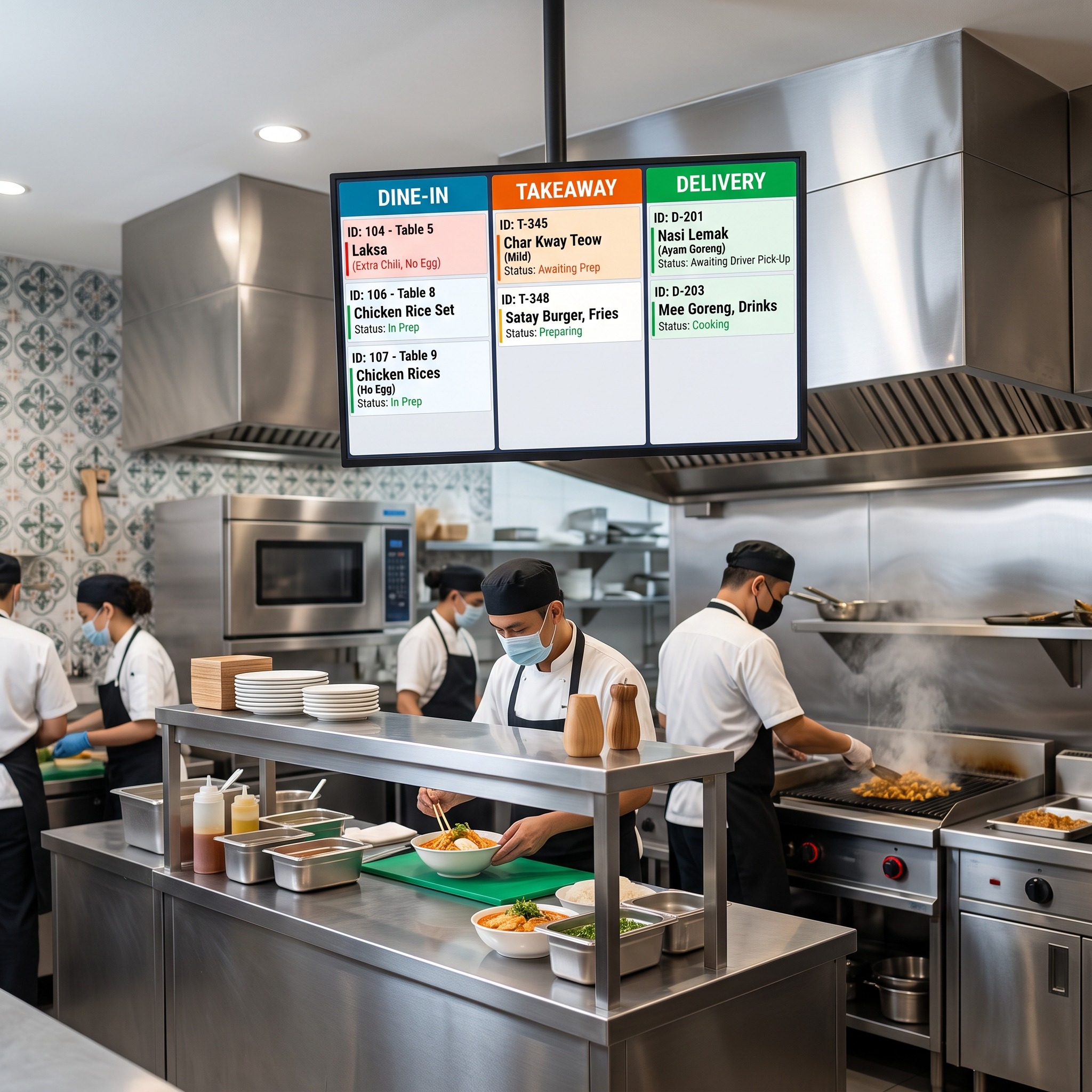
Despite sharing a central system, each outlet handles its own orders, billing, and kitchen display independently — with all data flowing to your central dashboard.
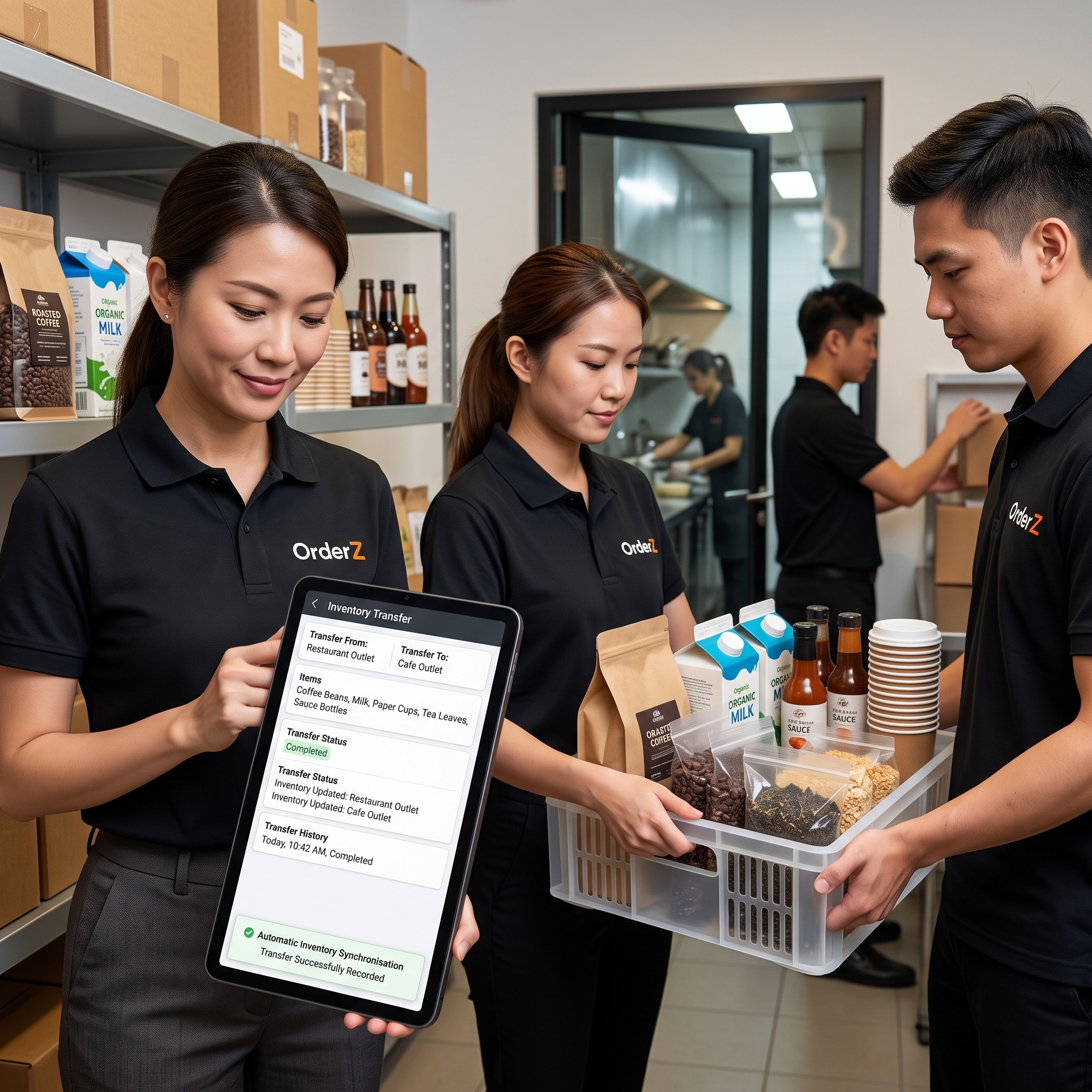
When you transfer stock between outlets, the transfer is logged and both outlets' inventory is updated automatically. No untracked transfers.
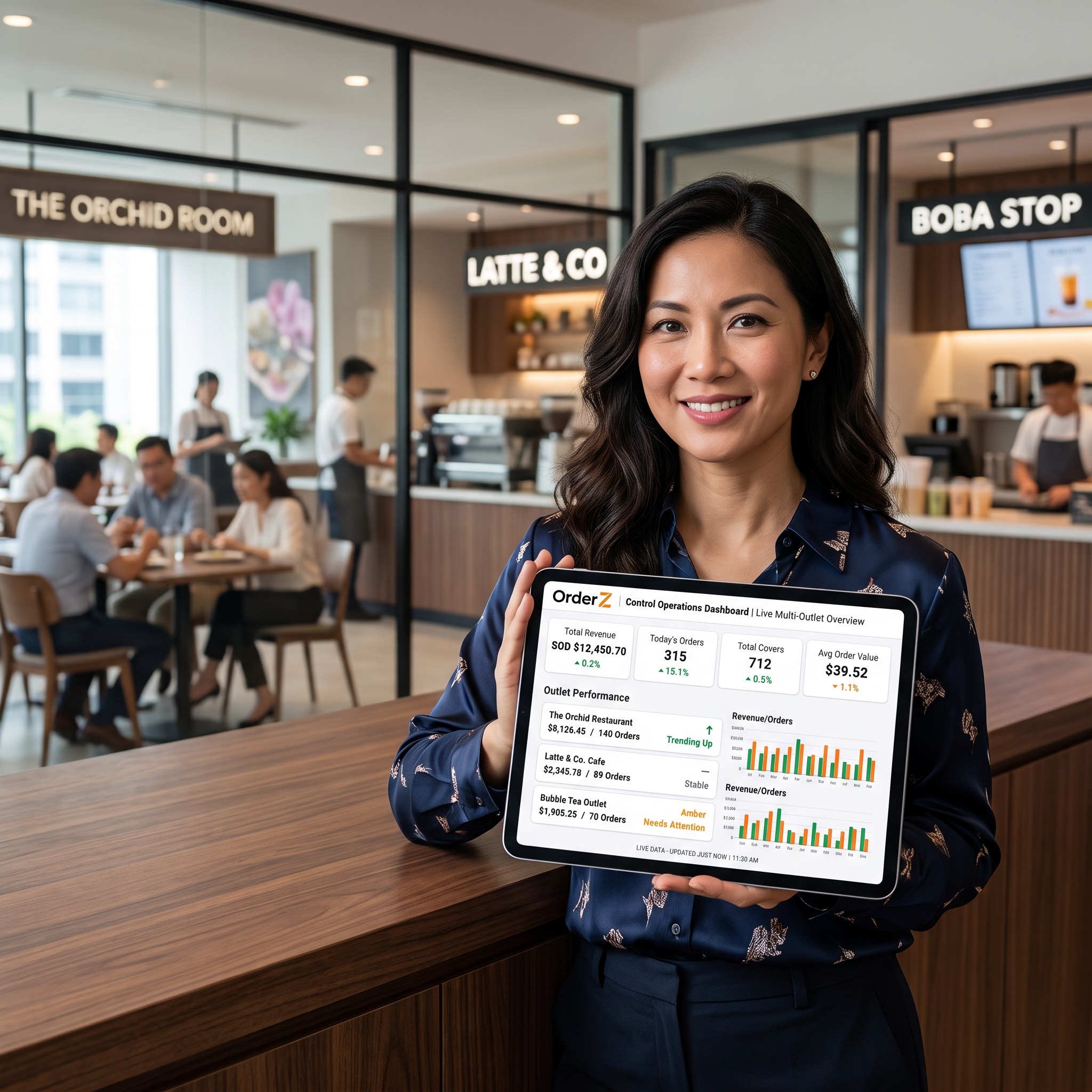
You see immediately which outlet is underperforming, which is trending up, and where the operational gaps are — without visiting.
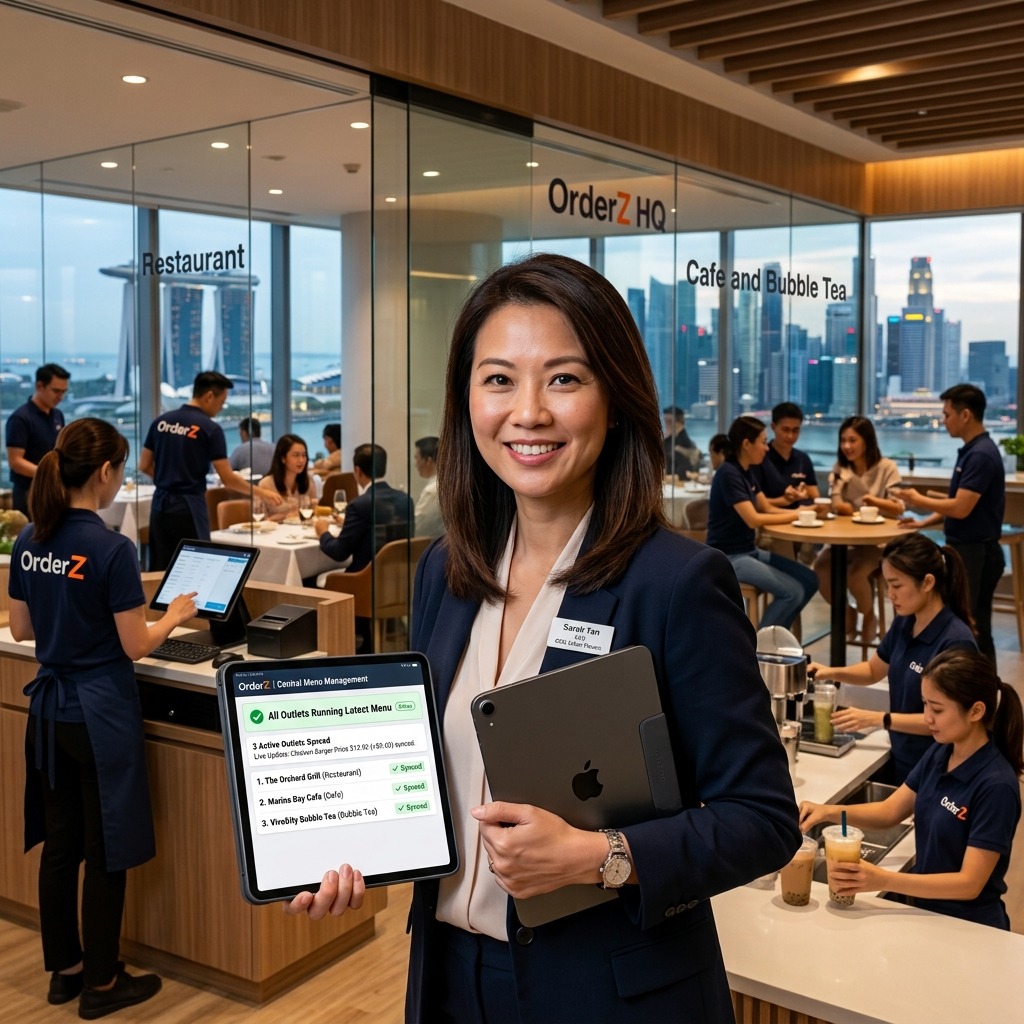
Update your menu once — price changes, new items, and promotions roll out to all outlets simultaneously. No version drift.
See revenue, order volume, and performance across all outlets in real time. Compare locations. Identify gaps.
Automatic daily reports per outlet — and consolidated across the chain. GST-ready. Exportable.
Per-outlet inventory tracked in real time. Stock transfers logged automatically — reconciliation-free.
See sales per staff member and shift across all outlets. Understand what the best outlet is doing differently.
Every outlet runs the same POS interface. Staff move between outlets without retraining.
The multi-outlet dashboard shows you revenue, order volume, and performance across all locations as it happens.
One change at the central level. Every outlet updated. No chasing managers, no version inconsistency.
When all outlets report through the same system using the same format, gaps in revenue become visible and attributable.
Because all your outlets run the same system, a new location starts with the same menu and reporting structure already in place.
Testimonials are placeholders pending written client sign-off.
Yes. OrderZ is designed for multi-outlet F&B operators with 2 to 10 locations. It provides centralised menu management, per-outlet reporting, a multi-outlet performance dashboard, and standardised POS across all locations.
Yes. OrderZ allows you to manage your menu centrally. Price updates, new items, and promotions are pushed to all outlets simultaneously from one dashboard.
The multi-outlet dashboard shows revenue, order volume, average transaction value, and top items per outlet — side by side, in real time.
Yes. Inventory is tracked per outlet in real time as items are sold. Stock transfers between outlets are logged automatically, keeping both outlets' records accurate.
Yes. Because all outlets run the same OrderZ setup, staff trained at one outlet are immediately operational at another. There is no retraining required when staff move between locations.
By standardising billing, reporting, and inventory tracking across all outlets, OrderZ creates a single source of truth for every transaction. Revenue gaps become visible and attributable.
Costs scale with the number of outlets and modules required. OrderZ offers packages designed for growing chains — from two-outlet operators to groups with 10 or more locations.